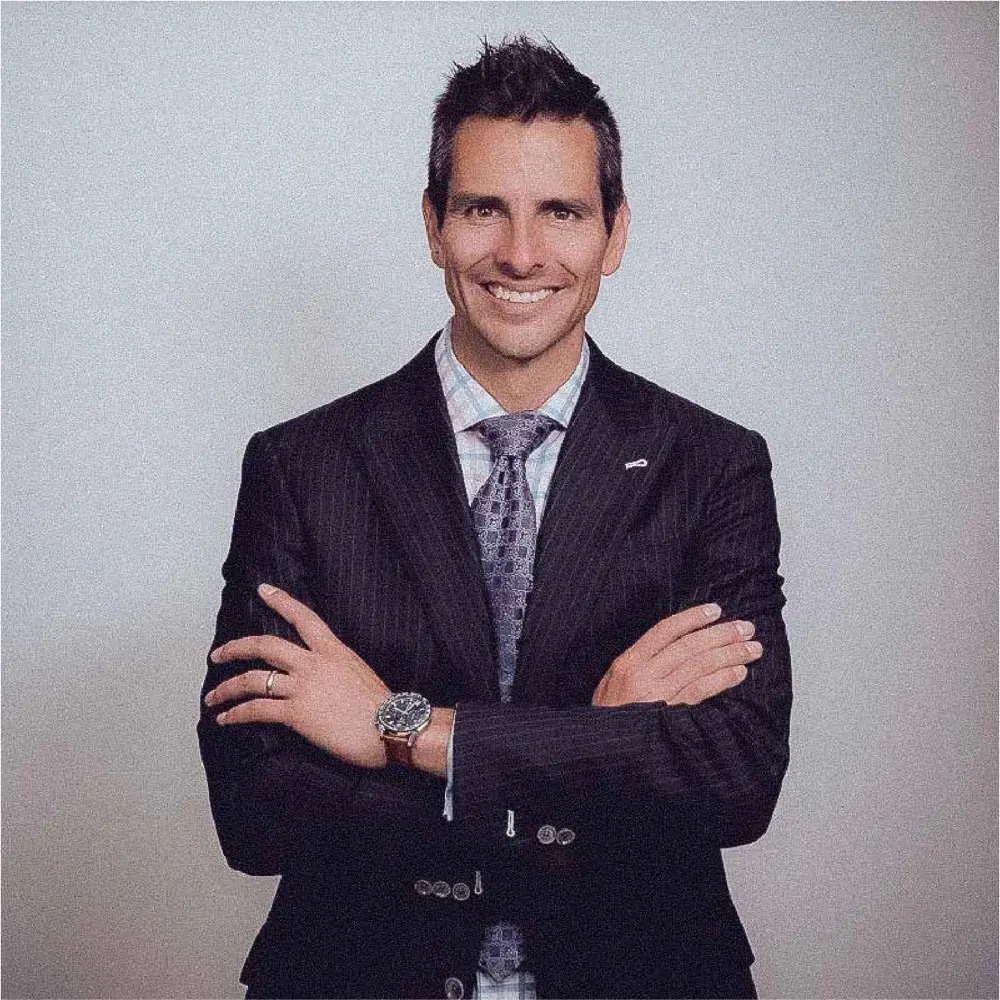
About
Meet Ken Lear
Based in the Detroit area, Ken Lear is an entrepreneur, consultant, mentor and family man.
He is an experienced sales professional and business leader, a mentor to young professionals, and the proud CEO of a growing business headquartered in Farmington Hills, MI.
Penn State, then the front yard
Ken attended Pennsylvania State University, where he studied Marketing and International Business and earned his Bachelor of Science from the Smeal College of Business Administration. He played soccer for Penn State's Nittany Lions, and still keeps those ties through the Varsity "S" Club, the Penn State Alumni Association and the Club Soccer Alumni group.
The work ethic came earlier than that. "As a child, I would practice out in the front yard for hours at a time. I remember going out and juggling with my dad and having little competitions. My dad would juggle the soccer ball five times and then he'd say, okay now you have to do fifteen times as many as I did. So if he did 10 then I'd have to do 150 — and I'd stand there and juggle the ball while he'd count."
"My mom used to say: where there's a will, there's a way. If you want it bad enough, you'll figure it out, you'll work to get it. I've taken all of these lessons with me in my career."
He now leads an organisation responsible for the acquisition and retention of clients across a wide range of industries, and gives a large part of his year to coaching the people inside it.
If you're willing to give before you get — if you think of others before yourself — ultimately, you'll be set up to have an amazing life.
Mission
To help people make progress: naming the goal, putting the plan on paper, and noticing the small adjustments week over week.
Vision
Changing the world one leader at a time.
Ken's framework
C.O.M.M.I.T.
-
Check yourself
Check in with yourself on what you need — resources, skills, coaches. Take inventory of your skills and rate them by importance, 1 to 10.
-
Obsess over your craft
You have to become an expert in the little things. Good salespeople lead their customers to the goal; a new one gets the first "no" and walks away.
-
Mindfulness
Be mindful of who will help you grow. Who is in your circle of influence, and are they helping you get ahead? Be mindful of how you speak to yourself. Give purpose to the weight of your words.
-
Mature
Think back to your early 20s. How often did you show up to a job hungover? A very influential person pointed out my immaturity in doing so. That gave me the perspective to act more skilfully when I choose to participate in something I know might affect me the next day.
-
I control my life
Taking ownership of where you are in life, even when you are in an uncomfortable spot you don't want to be in.
-
Test
There are a lot of tests you'll cross paths with in life, and you'll bring most of them on yourself. The decision comes down to whether you give up and change your environment, or grow and change yourself while you adapt to it.
In his own words
Twenty-two questions, answered at length
On starting the business, on the years it nearly did not work, on how he coaches, and on what he would tell himself at 25.
What he stands on
Five non-negotiables
-
Urgency
Set a high bar and keep raising it. Never take your foot off the gas.
-
Accountability
You earn what you get in this world. Nothing is handed to you.
-
Generosity
Give before you get. Think of others before yourself.
-
Progress
Success is a game of inches. Notice the small adjustments, week over week.
-
Honesty
Be willing to have the tough conversation. Awareness is what people are owed.
On the road
In the room
-
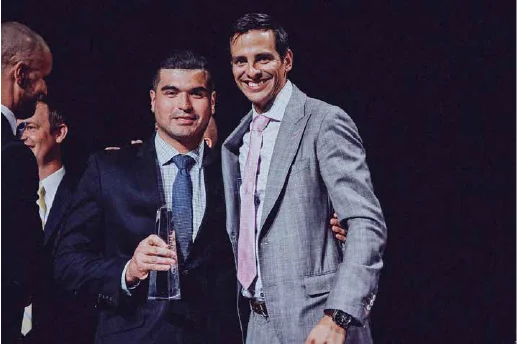
Recognising leadership behaviour early is the whole job. -
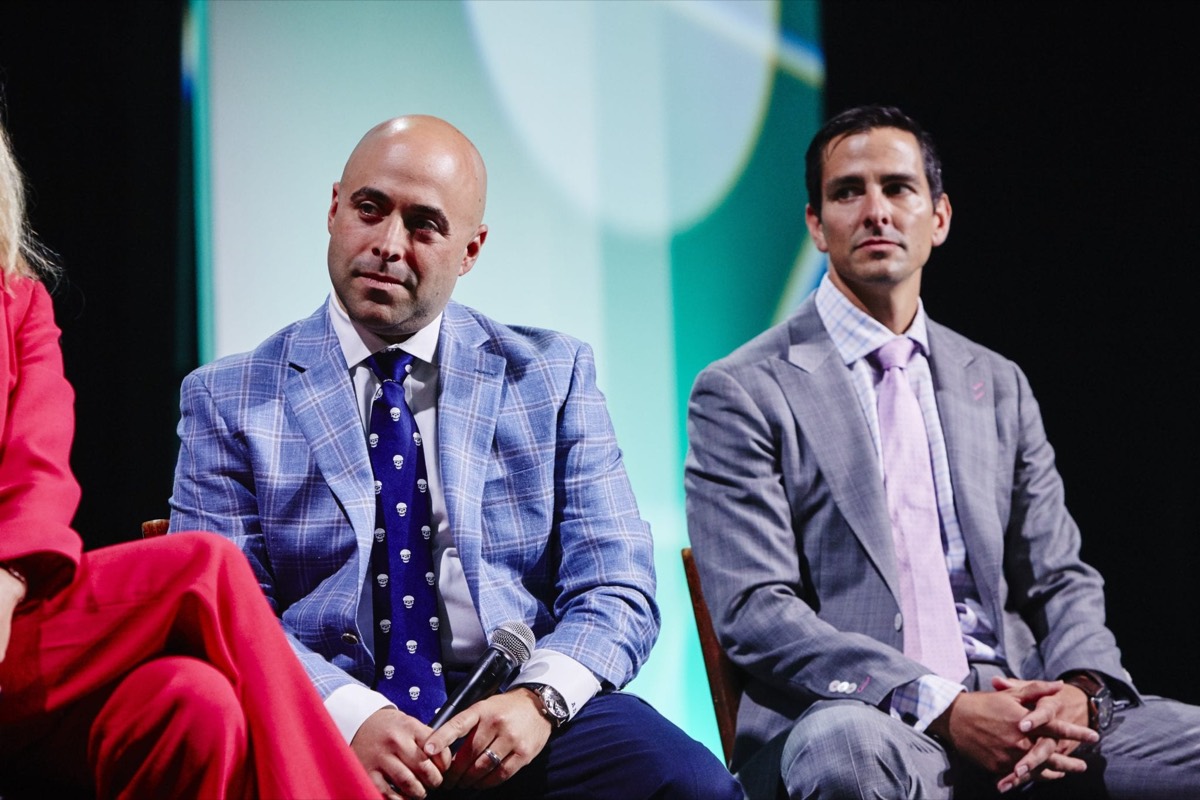
The room where the year gets decided. -
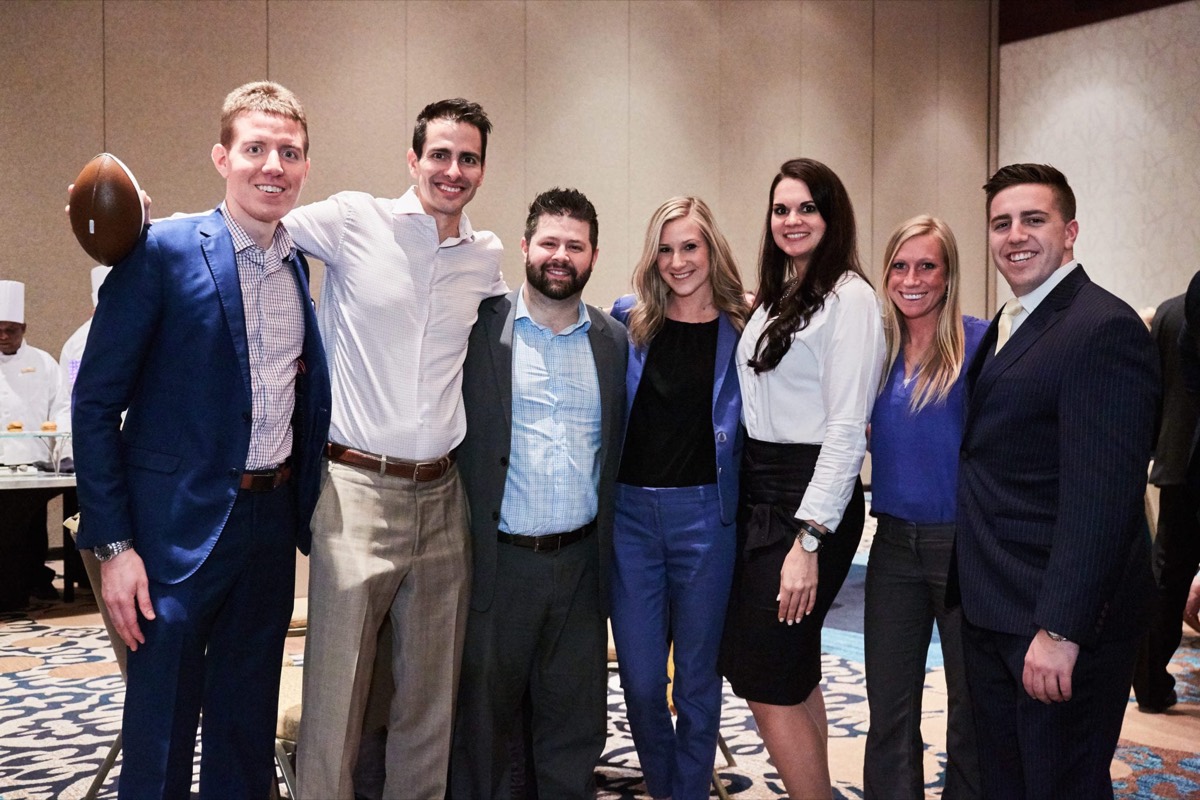
Farmington Hills, where it all runs from. -

Montreal, 2016. -
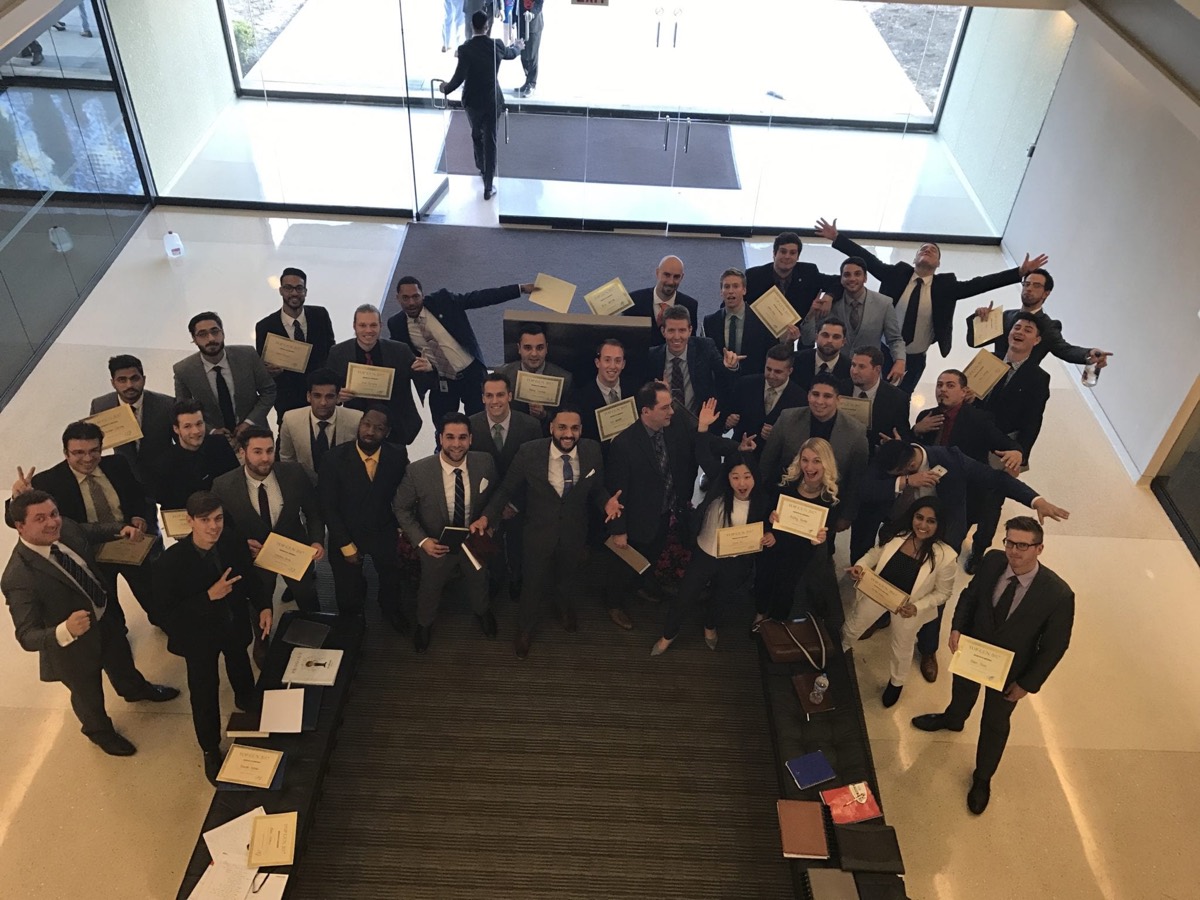
Top leader training: the part nobody sees. -
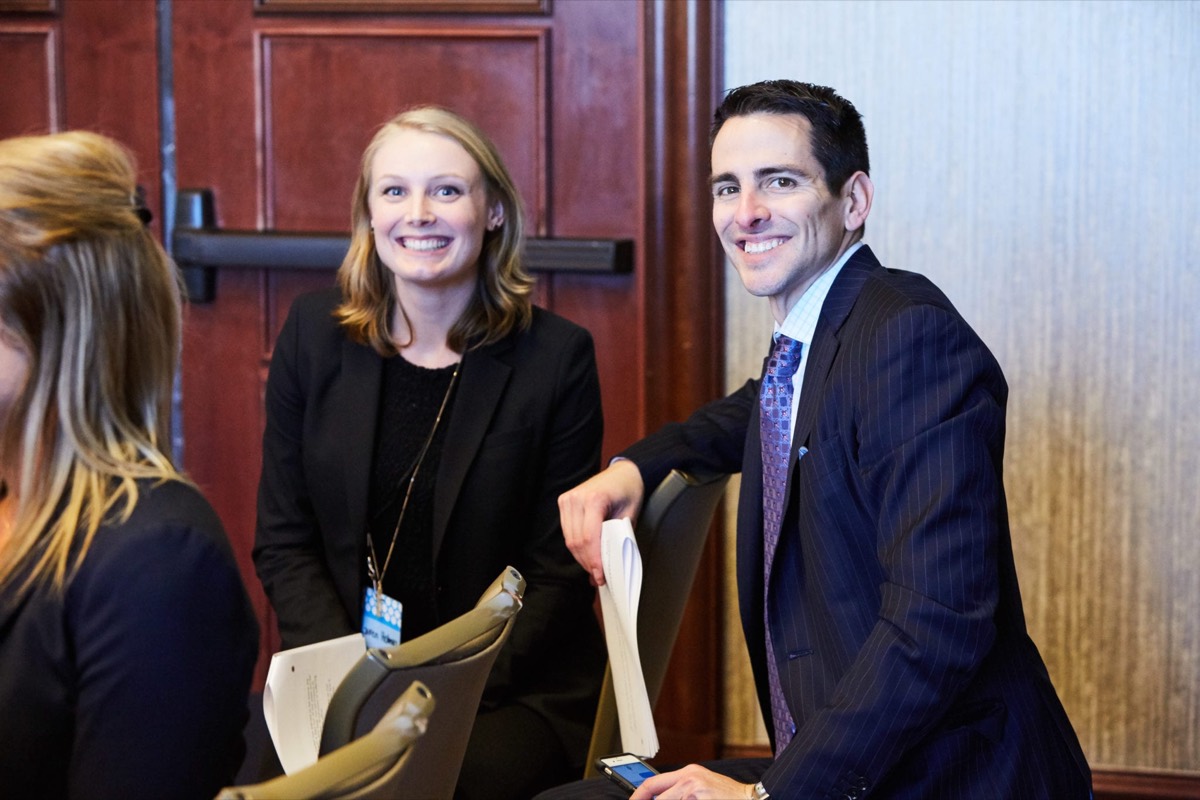
Austin, 2017. -
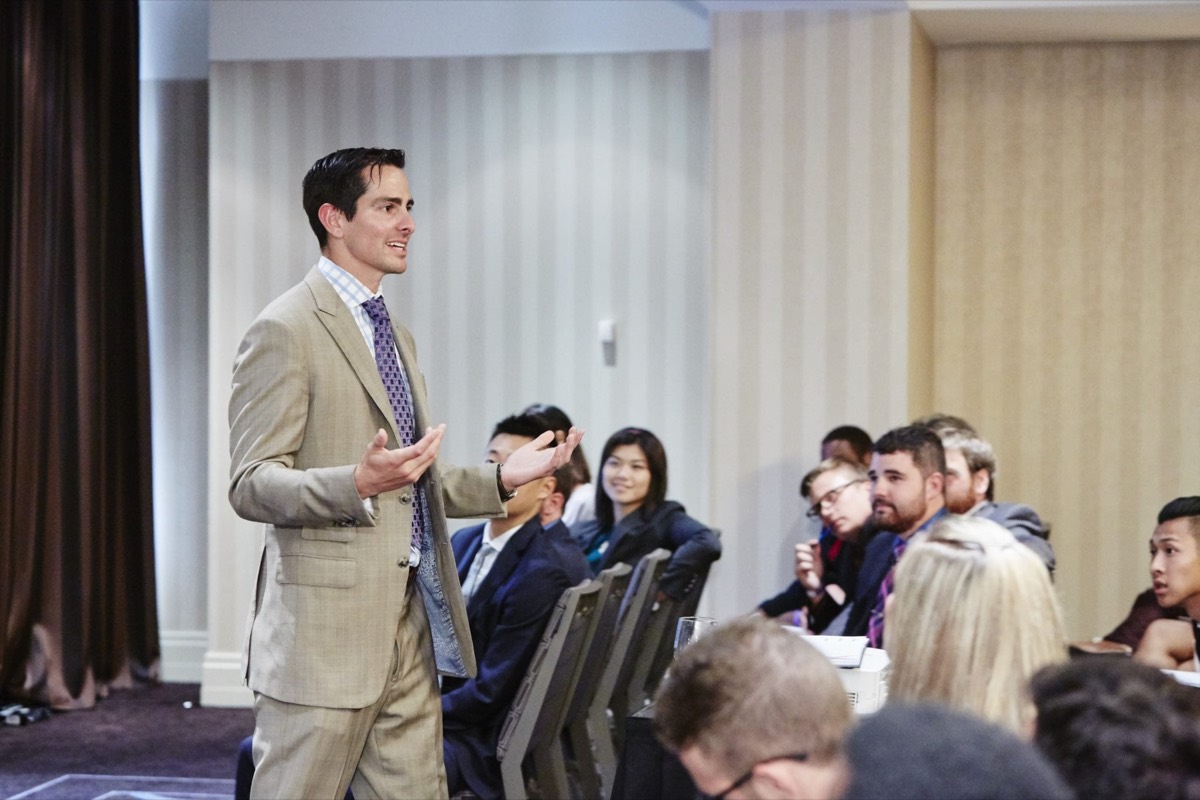
Best and Brightest, four years running.